ledger section · rebuilders

Ceramides, glycerin and gentle allies

Every product you use either adds to the barrier or draws from it. This page sorts the common ones into two columns, so you can read a label and know which side it sits on.

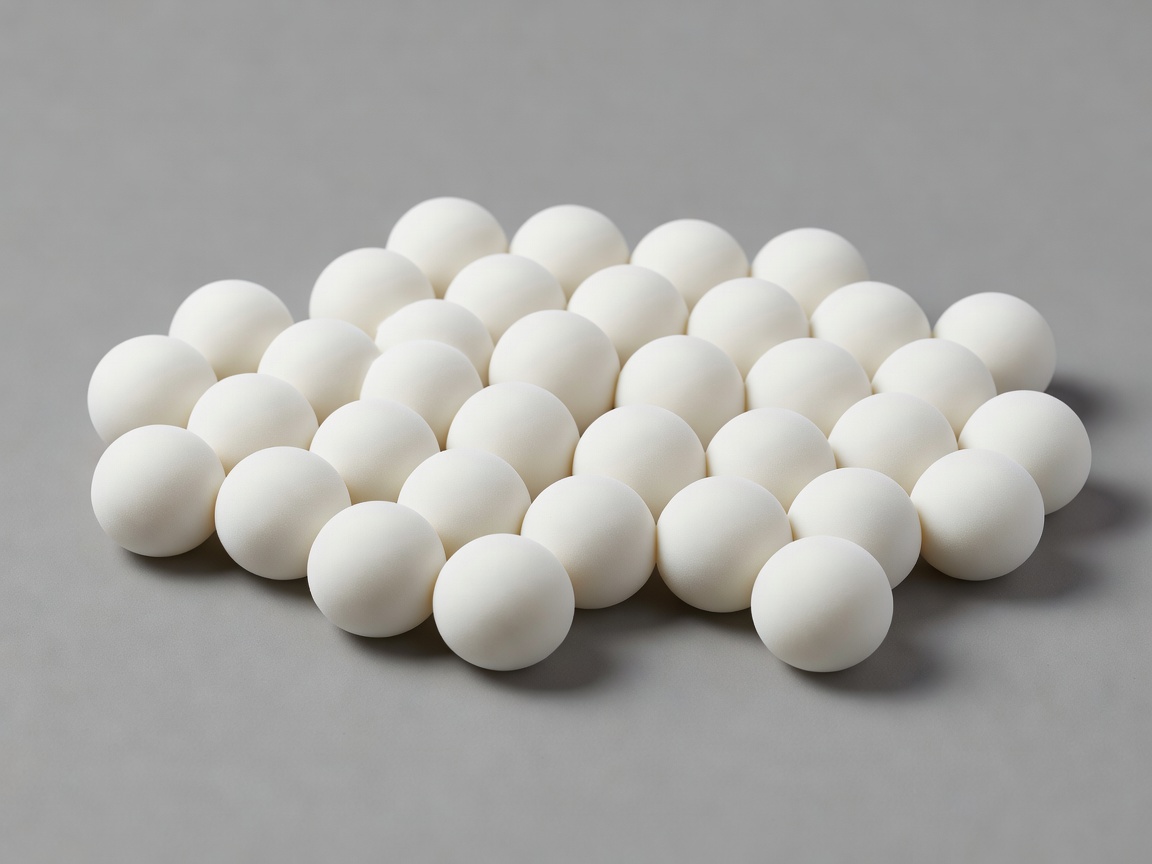
3D render of clustered soft white ceramide-like spheres on a plain grey ground
Lipid spheres: a visual shorthand for the barrier's mortar.

How to read the two columns

Barrier-supporting ingredients fall into three working groups. Humectants, such as glycerin, hyaluronic acid and urea at low strengths, draw water into the outer layer. Emollients and barrier lipids, such as ceramides, cholesterol, fatty acids and squalane, fill and smooth the gaps between cells. Occlusives, such as petrolatum, dimethicone and shea butter, form a light film that slows water escaping. A good repair moisturiser usually contains something from each group.

The debit column is not a list of "bad" ingredients. Exfoliants and retinoids are valuable and well researched. They sit on the debit side only because, while the barrier is leaky, they draw more than it can spare. Once repaired, many people reintroduce them slowly.

credit · rebuilds
Ceramides (NP, AP, EOP)

Skin-identical lipids that make up around half of the barrier's mortar. On labels look for ceramide NP, AP or EOP. Most helpful alongside cholesterol and fatty acids, in a fragrance-free cream.

Cholesterol and fatty acids

The other two lipid families. Formulas combining all three were shown in Peter Elias's research to support faster recovery than ceramides alone.

Glycerin

One of the most effective and affordable humectants. It holds water in the stratum corneum and helps normal cell shedding. Often listed second or third on good repair creams.

Petrolatum

Among the most effective occlusives available, reducing water loss substantially. Highly refined cosmetic grades are recommended by the American Academy of Dermatology for very dry skin.

Niacinamide (2–5%)

Vitamin B3. Studies show it can increase the skin's own ceramide production. Start low: higher strengths sometimes cause flushing on reactive skin.

Panthenol

Pro-vitamin B5. Hydrating and soothing, often found at 1–5% in barrier creams and generally well tolerated.

Colloidal oatmeal

Finely ground oats recognised by the US FDA as a skin protectant. Calming for itch and dryness; avoid if you have an oat allergy.

Squalane and dimethicone

Light emollient and occlusive options for people who find petrolatum too heavy, especially on oily or acne-prone areas.

debit · strips
Hot water and long showers

Heat dissolves barrier lipids more readily. Keep facial water lukewarm and cleansing under a minute.

High-pH soaps and strong surfactants

Traditional bar soaps can sit around pH 9–10. Strong foaming agents such as sodium lauryl sulfate are used in research specifically to irritate skin.

Stacked chemical exfoliants

Glycolic, lactic, mandelic and salicylic acids, plus enzymes, used together or daily, thin the outer layer faster than it rebuilds.

Retinoids started too fast

Retinol, retinal and tretinoin speed cell turnover. Starting nightly or at high strength commonly causes dryness and stinging, the so-called retinisation phase.

Physical scrubs and brushes

Grains, cloths and spinning brushes add friction to skin that is already short of protective lipids.

Fragrance and essential oils

Fragrance mixes are among the most common causes of contact allergy in Europe. During repair, fragrance-free is the measured choice.

High-alcohol toners

Denatured alcohol high on the ingredient list can feel refreshing but is drying on a compromised barrier. Fatty alcohols such as cetearyl alcohol are different and generally fine.

Too many products at once

Each layer adds preservatives, fragrances and pH shifts. Fewer products mean fewer chances to react, and clearer clues when you do.

Reading a label in four steps

Step one: check the first five ingredients, since they usually make up most of the formula. In a repair cream you hope to see water, glycerin and at least one emollient or occlusive there.

Step two: look for "parfum", "fragrance" or named essential oils such as lavender, citrus or peppermint. During repair, put those products aside.

Step three: scan for exfoliating acids or retinoids hidden in "gentle" moisturisers and toners. They appear more often than you might expect.

Step four: prefer simple, short lists from pharmacy brands over long, botanical-heavy ones while your skin is reactive. Plain is not boring here; it is easier to trace.

We do not recommend specific brands, accept sponsorship or use affiliate links. The ingredients above are widely available in pharmacy ranges at modest prices.