ledger section · plan

Four weeks, one week at a time

This plan asks very little of you each day. It works by removing what strips the barrier, keeping a short routine steady, and adding only one new thing at a time. Tick each entry as you complete it; your ticks stay saved in this browser.

0 entries ticked

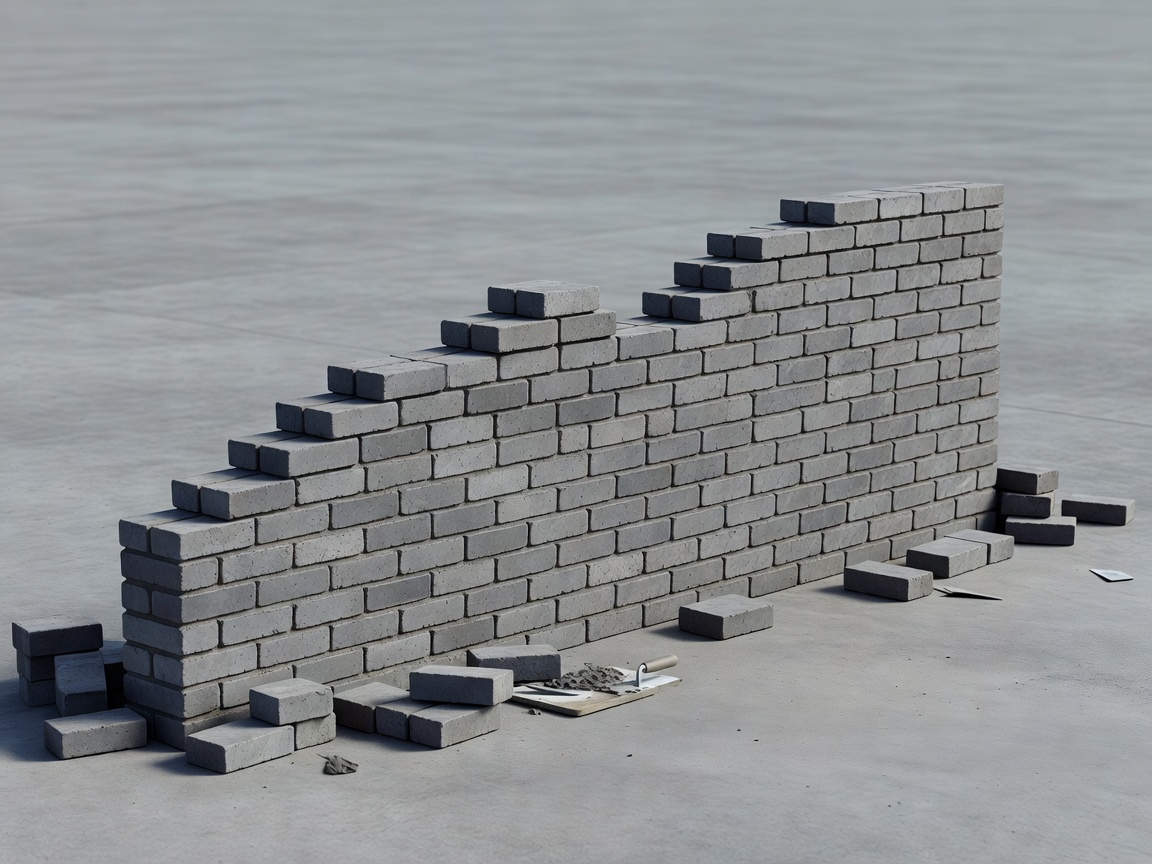
3D render of a layered brick wall being rebuilt course by course on a plain grey ground
Each week lays one more course of the wall.
week one · days 1–7

Subtract

The first week is about taking things away. It can feel too simple, but most reactive skin improves first from what stops, not from what starts. Put exfoliating acids (glycolic, lactic, salicylic), retinol and retinal, vitamin C serums, scrubs, cleansing brushes, peel pads and fragranced products into a drawer for now.

Wash your face once a day, at night, with a mild non-foaming or low-foaming cleanser and lukewarm water. In the morning, a splash of water is usually enough. Pat dry rather than rubbing. Apply a plain, fragrance-free moisturiser containing ceramides or glycerin morning and night, and a broad-spectrum SPF 30 or higher every morning.

If you use a prescription treatment, such as a topical retinoid for acne or a steroid cream for eczema, do not stop it without talking to the prescriber. Ask whether the dosing can be adjusted while your barrier settles.

week two · days 8–14

Steady

Week two keeps everything from week one unchanged. Consistency is the active ingredient now. The only addition is an occlusive for the driest areas: at night, after moisturiser, press a very thin layer of plain petrolatum or a simple balm onto flaky patches, around the nose or on the cheeks. It slows water loss while the lipid mortar is being rebuilt underneath.

Start a short log. Each evening, write a single line: did anything sting today, where, and for how long? Also note conditions that matter, such as central heating, a cold walk, a long hot shower or a new laundry detergent. Patterns often appear within a week, and they are useful if you later speak to a pharmacist.

If you are acne-prone and worried about occlusives, keep them to the driest zones and avoid the T-zone. Petrolatum itself is generally considered non-comedogenic, but heavy layers can feel uncomfortable on oily skin.

week three · days 15–21

Reinforce

If your log shows that stinging has eased, you may add one supporting ingredient. Good candidates are panthenol, niacinamide at a modest 2–5%, or a moisturiser that combines ceramides, cholesterol and fatty acids. Choose only one, and choose fragrance-free.

Patch-test first. Apply a small amount along the jawline or behind the ear every night for three to five nights. If there is no burning, itching, bumps or redness, use it on the whole face. If it stings for more than a few seconds, stop and return to the week-two routine. That is not a failure; it simply tells you the barrier needs a little longer.

If stinging has not eased at all by now, stay on week two for another seven days before moving on.

week four · days 22–28

Review

Read back through your log and count calm days: days with no stinging and no tight feeling after washing. Compare week four with week one. Most people see a clear difference, even if the skin is not yet perfect.

If your skin feels comfortable, you may reintroduce one active you value, at a low strength, two nights a week, never on the same night as another active. Increase frequency slowly over the following month only if skin stays calm. Many people find they no longer need the full collection they started with.

If little has changed, or if you notice cracking, weeping, swelling, pain or spreading redness at any point, please speak to a pharmacist or GP. Persistent reactivity can be eczema, rosacea, contact dermatitis or another condition that benefits from proper diagnosis.

Repair is not a straight line. A cold week or a stressful one may bring a wobble. Return to week one's routine for a few days, and pick up where you left off.